A Complete Guide to Commercial Interior Design: Styles, Concepts & Best Practices
Frequently Asked Questions
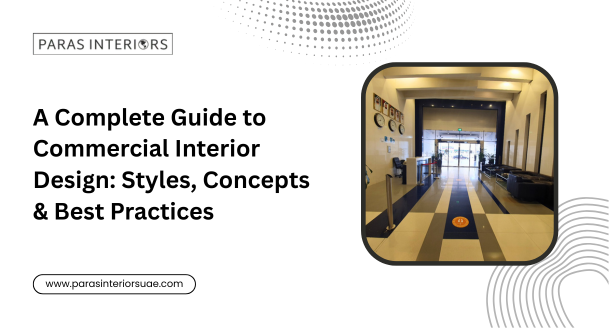
Commercial interior design focuses on creating functional and visually appealing spaces for businesses, such as offices, retail stores, and restaurants. Unlike residential design, which centers on comfort and personal preferences, commercial design emphasizes functionality, branding, and accommodating group dynamics.
Interior design enhances the functionality, visual appeal, and branding of commercial spaces. A well-designed environment boosts employee productivity, improves customer experiences, and strengthens the overall identity of the business.
Common styles include:
- Modern design, which features sleek lines and minimal embellishments.
- Industrial style, known for its raw materials like concrete and exposed elements.
- Biophilic design, which incorporates natural elements to promote wellness.
- Minimalist design, focusing on simplicity and open layouts.
Branding is a key aspect of commercial design, using color schemes, logos, and custom furniture to reflect a business’s identity. Consistent design elements create a recognizable and memorable experience for customers and employees.
To optimize office layouts:
- Separate collaborative areas from quiet zones.
- Use ergonomic furniture for comfort.
- Incorporate natural light and greenery to enhance the working environment.
Professional firms bring expertise in compliance with building codes, efficient budget management, and access to exclusive materials. They ensure designs are both functional and visually appealing, tailored to a business’s unique needs.

Sandeep Joshi

As Marketing Manager at Paras Interiors UAE, I bring 10+ years of experience in brand strategy and digital marketing within the luxury interior design space. I craft impactful narratives that showcase our bespoke projectsΓÇöfrom elegant villas in Palm Jumeirah to premium commercial spaces in Downtown DubaiΓÇöhighlighting the artistry and functionality that define our brand.